Whoop vs Garmin: Which Is Better for VO2 Max and Training?
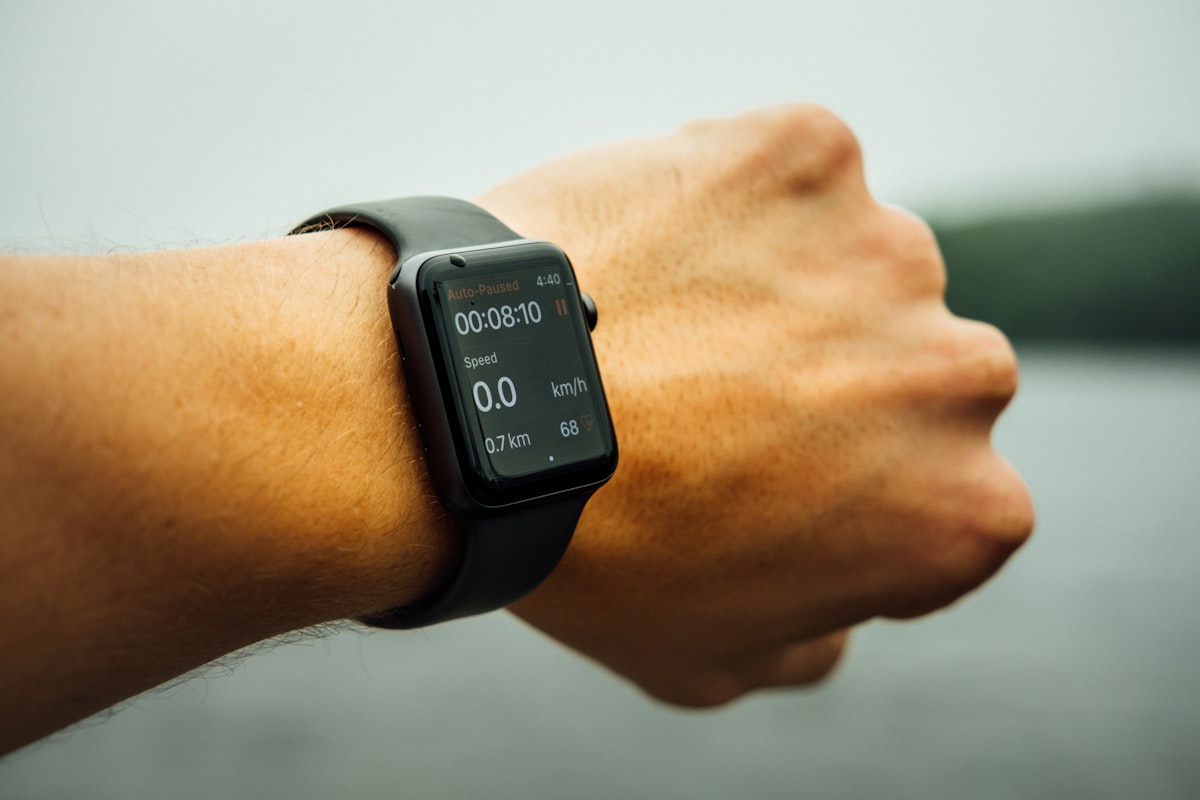
 Run these workouts on your iPhone, or hands-free on Apple Watch. Get PEAKVO2
 For VO2 max and training data, Garmin is the stronger choice: its Firstbeat analytics produce the most accurate consumer VO2 max estimate, plus lactate threshold, training status, and on-wrist GPS. Whoop is the better pick if your priority is recovery, sleep, and 24/7 strain tracking on a screenless band, though its VO2 max estimate is less validated. The real question is whether you want a training watch or a recovery tracker.
Whoop and Garmin get compared constantly, but they are built for different jobs. This guide breaks down how each estimates VO2 max, how they differ on recovery, GPS, screen, and price, and which one fits your goals. For a wider view, see our best fitness trackers for VO2 max comparison.
Whoop vs Garmin at a Glance
| Garmin | Whoop | |
|---|---|---|
| Device type | GPS watch with a screen | Screenless band |
| VO2 max method | Firstbeat, from runs and power-based rides | Passive 24/7 model, refined by phone-GPS runs |
| VO2 max accuracy | Best in class (~3.5% error in validation) | Less validated; tends to underestimate fit athletes |
| GPS | Built in | Uses your phone |
| Recovery and sleep | Good (Body Battery, sleep score) | Its core strength (recovery, strain, sleep coaching) |
| Screen | Yes, glanceable mid-workout | None, everything in the app |
| Pricing | One-time hardware purchase | Subscription, band included |
| Best for | Runners and multisport athletes training by data | Recovery-focused daily wearers |
VO2 Max: Garmin Is More Accurate
If the VO2 max number is why you are choosing, Garmin wins. Its estimate runs on Firstbeat Analytics, the most validated consumer algorithm, typically within about 3.5 percent of a lab measurement, and it produces separate estimates for running and for cycling when you use a power meter. Garmin also gives you lactate threshold and training status, which often matter more than VO2 max for race pace. See our Garmin VO2 max guide for the detail.
Whoop added a VO2 max estimate in 2024, built mainly from its passive 24/7 data and refined when you record phone-GPS runs. It is useful for a trend, but it has less published validation and tends to underestimate well-trained runners, because the passive model leans heavily on resting heart rate. Our Whoop VO2 max guide covers how far to trust it.
Recovery and Sleep: Whoop's Home Turf
Whoop is built around recovery. Every morning it gives you a recovery score from your overnight heart rate variability, resting heart rate, and sleep, then a strain target for the day. If your goal is to manage training load, avoid overtraining, and optimize sleep, this is the product Whoop is designed for, and it does it better than Garmin's Body Battery.
Garmin covers recovery too, with sleep scores, Body Battery, and training readiness, but it is one feature among many rather than the whole point of the device.
Screen, GPS, and Price
- Screen: Garmin has one, so you can see pace and heart rate mid-run, which matters for hitting interval zones. Whoop has no screen, so during a workout you train off feel or your phone.
- GPS: Garmin has built-in GPS. Whoop relies on your phone for pace and distance.
- Price: Garmin is a one-time hardware purchase, from around $200 to over $1000 depending on model. Whoop is subscription-only, so there is no upfront device cost but an ongoing bill, and the band is inert if you stop paying.
Which Should You Choose?
- Choose Garmin if you train by data, race, or want the most accurate VO2 max, lactate threshold, and on-wrist GPS. It is the better training tool.
- Choose Whoop if your priority is recovery, sleep, and strain management on a light, screenless band, and you do not mind a subscription.
Whichever you pick, remember that both only measure your fitness. Neither trains it. To actually raise the VO2 max either device shows you, you need to do the interval work, which is where a guided training app comes in.
Neither One Trains You. PEAKVO2 Does.
Whoop and Garmin track the number; PEAKVO2 runs the sessions that move it. The app guides the Norwegian 4x4, 30/30, and other VO2 max protocols on iPhone and Apple Watch with heart rate zones and automatic phases, then your Garmin or Whoop watches the trend climb.
Raise the number your tracker shows you
PEAKVO2 runs the interval protocols that actually raise VO2 max, the Norwegian 4x4, Tabata, and 30/30, on iPhone and Apple Watch, with heart rate zones, spoken cues, and automatic phases. 4 workouts free.
Get PEAKVO2 freeFrequently Asked Questions
Is Whoop or Garmin more accurate for VO2 max?
Garmin. Its Firstbeat estimate is the most validated consumer VO2 max, typically within about 3.5 percent of a lab test, and it covers cycling with a power meter. Whoop's VO2 max is newer, less validated, and tends to underestimate well-trained runners. For the VO2 max number specifically, Garmin is the better choice.
Is Whoop better than Garmin for recovery?
For most people, yes. Whoop is built around a daily recovery score, strain target, and sleep coaching, which is its core product. Garmin offers recovery features like Body Battery and training readiness, but they are one part of a broader watch rather than the main focus.
Does Whoop or Garmin have GPS?
Garmin watches have built-in GPS. Whoop has no built-in GPS and uses your phone's location during outdoor workouts to record pace and distance, which also feeds its VO2 max estimate.
Is Whoop or Garmin cheaper?
It depends on the time frame. Garmin is a one-time hardware purchase, from around $200 to over $1000. Whoop has no upfront device cost but requires an ongoing subscription, and the band stops working if you cancel. Over several years, Garmin often works out cheaper.
Do Whoop or Garmin train your VO2 max?
No. Both only measure and estimate VO2 max; neither guides the training that raises it. To improve the number, you need to do high-intensity interval training, such as the Norwegian 4x4, which a guided app like PEAKVO2 runs for you while your Garmin or Whoop tracks the trend.